Introduction
Raising children in Omsk is a joyful, sometimes challenging, journey. From chilly winters to lively cultural events, local life gives many chances for play and learning. This guide offers age‑specific activities, speech‑development games, creative ideas, emotional intelligence exercises, parenting tips, and suggestions for helpful local resources — all practical, low‑cost, and easy to do at home or around the city.
Quick principles for every age
— *Play is learning* — playful repetition builds skills.
— *Language-rich environment* — talk, describe, sing and read often.
— *Emotional attunement* — name feelings and model calm behaviour.
— *Small consistent routines* — predictability helps children feel safe.
— *Use local life* — parks, libraries and cultural centres in Omsk are great classrooms.
Activities by age group
Ages 1–2: Foundations (movement, words, routines)
— Simple naming games: point to objects during walks or at home and say the word clearly.
— Interactive read‑alouds: short board books; pause to let the child point or repeat.
— Sensory play: rice/sand bins, water play, soft dough — add spoons and cups.
— Motor games: push toys, gentle stairs practice, ball rolling.
— Routine songs: sing the same song at bath, diaper change, and bedtime to build predictability.
Ages 3–4: Expanding language and imagination
— Role play: kitchens, shops, doctor — use simple props and encourage full sentences.
— Story chains: start a story and let the child add a sentence — builds narrative skills.
— Rhymes and clapping games: improve rhythm and phonological awareness.
— Fine motor: cutting with safety scissors, threading large beads, simple puzzles.
— Outdoor exploration: leaf hunts, puddle jumping, naming birds/insects seen in Omsk parks.
Ages 5–7: Early school skills
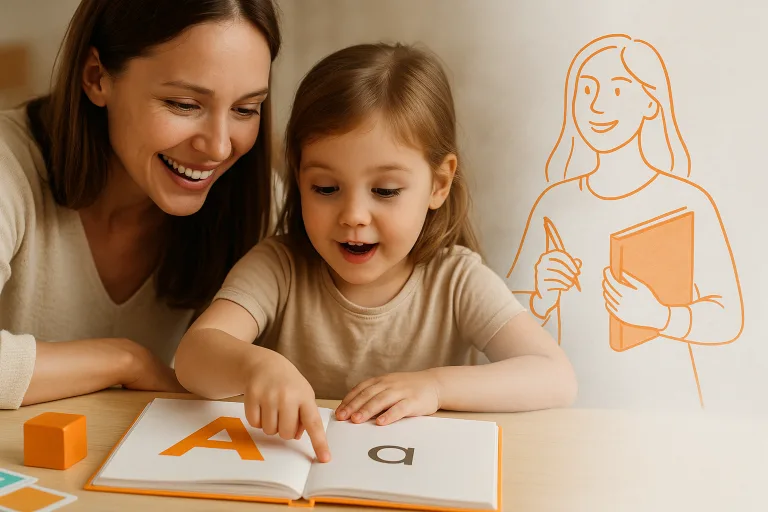
— Letter and sound games: “I spy” with initial sounds; letter scavenger hunts.
— Simple board games: taking turns, counting, following rules.
— Project play: small crafts, planting seeds, building with recycled boxes.
— Journal time: draw and dictate a sentence about the day to build writing fluency.
— Group play: arrange small playdates to practice social skills.
Ages 8–10: Reasoning, creativity, and empathy
— Open‑ended projects: build a model, create a short play, start a hobby.
— Problem-solving games: logic puzzles, strategy board games, simple coding apps.
— Book clubs: discuss characters’ choices and feelings.
— Real responsibilities: age‑appropriate chores, planning a family outing.
— Community engagement: help at local events or volunteer with supervision.
Games to support speech development
— Echo game: Say a short phrase, child repeats with the same intonation.
— Sound lotto: Pictures and matching sounds (animal noises, household items).
— Storyteller bag: Put 3–4 small objects into a bag; child pulls one and makes up a sentence.
— Puppet conversations: Use a puppet to ask questions; children answer, practicing turn‑taking.
— Telephone whispers: Whisper a simple sentence down a short line and compare versions — fun for listening skills.
Creative activities (low cost, high value)
— Nature collages: collect leaves, seeds, and flowers on walks in parks, then glue them onto paper.
— Salt dough ornaments: bake and paint; keepsake crafts for grandparents in Omsk.
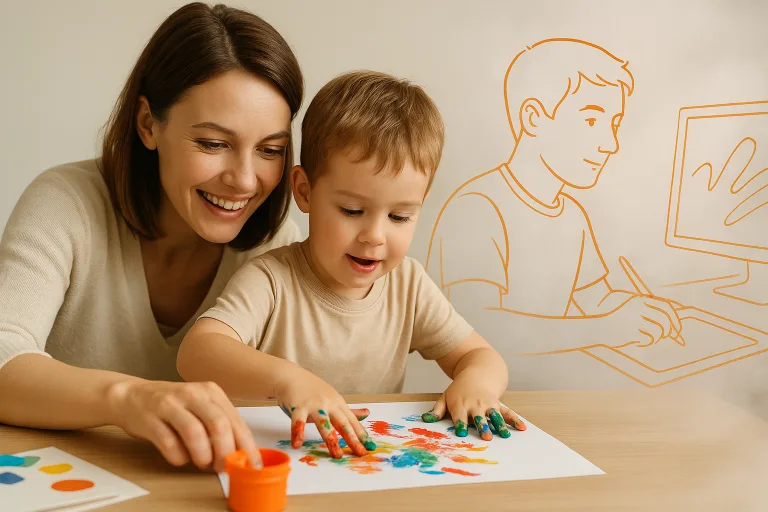
— Painting with alternative tools: branches, sponges, cardboard strips.
— Story stones: paint simple images on pebbles (animals, weather, objects) and use them to tell stories.
— Music time: homemade shakers, rhythm clapping, family singalongs.
Emotional intelligence: short daily practices
— Feelings check‑in: name one feeling at breakfast and one at dinner.
— Calm corner: a small space with a soft toy, picture of a calm place, and breathing prompts.
— Emotion charades: act out feelings and guess — develops recognition and empathy.
— Problem solving together: label the problem, brainstorm 2–3 solutions, choose one to try.
— Praise process, not person: “You worked hard on that puzzle” instead of general praise.
Parenting tips for busy Omsk families
— Keep routines flexible but consistent: mealtimes, naps, study and play blocks.
— Limit screens: aim for quality content and co‑watching; prioritize active, social play.
— Use local seasons: winter crafts and indoor sensory play; summer nature walks along local green spaces.
— Sleep and nutrition: regular sleep schedules and balanced meals support learning and mood.
— Self‑care matters: when parents rest and model emotional regulation, children learn it too.
Helpful materials and where to find them locally
Look for:
— Children’s sections at local libraries and cultural centres for story hours and activities.
— Developmental groups and playgroups (search for early development centres, speech therapists, and parent meetups in Omsk).
— Museums and cultural events offering family programmes.
— Local music schools or community centres that run toddler music and drama classes.
— Online resources and Russian‑language materials for preschool learning and downloadable printables.
Tip: When searching in Russian, use terms like «развивающие занятия для детей Омск», «детская библиотека Омск», «логопед Омск».
Simple DIY materials list
— Glue, scissors (child safe), crayons, washable paints
— Playdough (homemade: flour, salt, water, oil)
— Recycled boxes, bottle caps, string
— Simple puppets or socks
— Small basket for nature finds
— Printable emotion cards or hand‑drawn faces
When to seek extra help
Consider professional advice if:
— A 2‑3 year old uses very few words and doesn’t combine words.
— By school age, a child has persistent difficulty understanding instructions, severe stuttering, or social withdrawal.
— Concerns about hearing, motor delays, or major behavioural changes.
Start with your pediatrician, local early intervention services, or a speech therapist — early support helps.
Sample weekly micro‑schedule (busy families)
— Monday: 15 min reading + 10 min