Introduction
Raising curious, confident children in Omsk is about combining everyday moments with playful learning. This guide gives age-specific activities, speech-development tips, creative ideas, emotional-intelligence practices, and practical resources you can use at home or find in your community.
Quick principles for all ages
— *Play is learning*: Make play the main vehicle for skills — cognitive, social and motor.
— *Consistency beats intensity*: Small daily routines (reading, conversation, play) win over sporadic big efforts.
— *Follow the child’s lead*: Notice interests and extend them with questions and new materials.
— *Language everywhere*: Narrate, ask open questions and repeat new words in different contexts.
Activities by age group
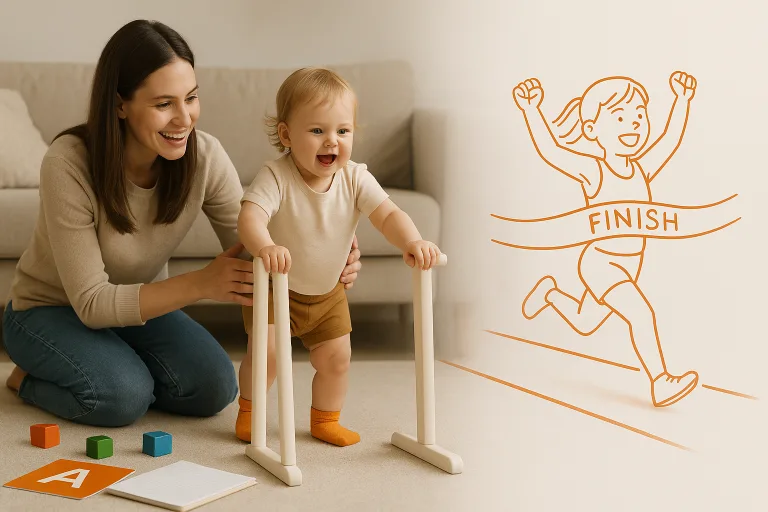
1–2 years (toddlers)
— Simple sensory bins (rice, pasta, water with supervision).
— Naming routines: point and name objects during walks around the yard, park or market.
— Rhythm and movement: clap, bounce, and sing short songs.
— Stacking and sorting toys to build fine motor skills.
3–4 years (preschoolers)
— Pretend play sets (kitchen, doctor) to practice social language.
— Simple puzzles and matching games to boost problem solving.
— Storytime with picture books; ask “what happens next?” to build narrative skills.
— Art with safe paints, stickers and play dough to strengthen hands and creativity.
5–7 years (early school)
— Letter and sound games: sound hunts (“Find something that starts with ‘M’”).
— Board games that teach turn-taking and counting (appropriately complex).
— Short independent projects (build a small model, draw a comic) to foster focus.
— Introduce simple science experiments (floating/sinking, plant growth).
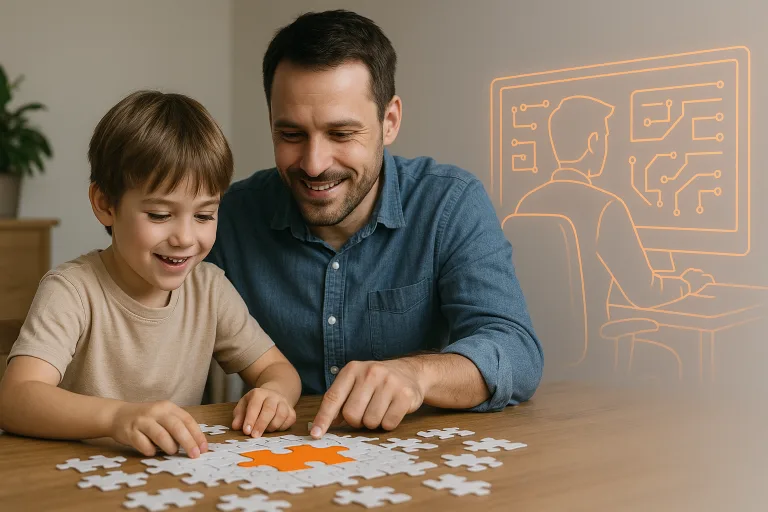
8–10 years (later primary)
— Project-based learning: mini-research projects on local history or animals.
— Cooperative games and sports for teamwork and conflict resolution.
— Creative writing prompts and journal keeping to develop expressive language.
— Basic coding or logic puzzles to build sequential thinking.
Speech and language development
— Talk a lot: describe actions, name emotions and describe steps of tasks.
— Use expansion: echo a child’s short phrase and expand it — child: “big dog”; adult: “Yes, a very big brown dog!”
— Rhymes and songs: phonological awareness begins with listening to sounds.
— Read daily: point to words and pictures; ask prediction questions.
— When to seek help: if a 2-year-old uses very few words, or an older preschool child is hard to understand, consult your pediatrician or a speech-language pathologist. Local clinics and early-intervention centers in Omsk can advise next steps.
Creative activities that don’t need fancy supplies
— Story stones: paint simple pictures on stones and tell stories with them.
— Recycled-material crafts: cardboard castles, paper-roll binoculars.
— Shadow theatre: cut silhouettes, use a lamp and a white sheet.
— Nature art: leaves, cones and twigs arranged into collages.
— Collaborative family art: each person adds to a drawing each day.
Emotional intelligence at home
— Label feelings: “You look frustrated — do you want help or time alone?”
— Problem-solving steps: *Name the problem → Brainstorm solutions → Try one → Review how it went.*
— Role play: practice apologies and saying “I need a break.”
— Calm-down kit: small box with a stress ball, picture cards, a breathing exercise.
— Family rituals: gratitude at dinner, daily check-ins (“One good thing / One tough thing today”).
Screen time and learning apps
— Use screens intentionally and together: co-view, talk about content and pause to ask questions.
— Recommended app types: interactive story apps, language development apps, logic and coding games for older kids. Good multilingual choices include PBS Kids, Khan Academy Kids and GCompris.
— Keep limits: consistent daily boundaries and screen-free times (mealtimes, before bed).
Simple printable and DIY materials to make at home
— Flashcards and picture cards for vocabulary and emotions.
— Reward or routine charts to visualize tasks and progress.
— Scavenger hunt lists (indoor/outdoor) tailored to season.
— Word and math games on laminated sheets for reuse.
Parenting tips for everyday life in Omsk
— Use local seasons to your advantage: winter indoor sensory play and outdoor skating/sledding for gross motor; summer nature walks in parks for discovery.
— Build routines around naps, meals and reading to reduce daily friction.
— Connect with other parents — local playgroups or online communities in Omsk can exchange tips and swap toys.
— Ask for help early: speech concerns, behavioral changes, or learning struggles are easier to address when identified early.
— Model emotion regulation: children learn self-control by watching caregivers.
Local resources and how to find them in Omsk
— Public libraries, children’s centers and museums often run workshops and story hours — check municipal websites and community announcement boards.
— Pediatric clinics and family centers can refer you to local speech-language pathologists and early-intervention services.
— Look for community groups on social networks (VK, parenting forums) and city event listings for family activities.
— Schools and kindergartens can recommend tutors, clubs and extracurriculars that suit your child’s needs.
Sample weekly routine (adapt for season)
— Daily: 15–30 min shared reading, 20–30 min active play, 10 min creative time.
— 3× week: focused learning game (letters/numbers), outdoor play in a park.
— 1× week: family outing to a museum, library or theater performance for children.
— Evenings: short reflection (“What made you happy today?”) and calming pre-bed routine.
Closing: build joy into learning
Small, consistent moments of attention, conversation and play create big gains by age 10. Use local Omsk resources when possible—parks, libraries and community programs—to enrich learning