Growing Smart and Happy in Omsk: Practical Guide for Parents of Children 1–10
Raising children between 1 and 10 years old is an exciting, messy, and deeply rewarding job. This guide gathers practical, age‑focused activities, speech and emotional development tips, creative projects, and local‑search ideas tailored to life in Omsk (long winters, river embankments and parks in summer, and a lively local community). Use what fits your family—mix outdoor exploration when the weather allows and cozy indoor games during icy Omsk winters.
—
Quick planning notes for Omsk parents
— Winters are long and cold: stock up on indoor activity ideas, warm sensory play, and visits to local libraries, play centers, or museum programs.
— Summers are excellent for riverside walks along the Irtysh, outdoor games in parks, and nature exploration.
— To find local groups and events, search VK or Telegram for phrases like “Мамы Омска”, “развивающие занятия Омск”, or check the municipal culture and library websites.
—
Age-by-age activities and goals
Ages 1–2 (toddlers)
Goals: sensorimotor exploration, first words, attachment, routines.
— Sensory bins: rice, buckwheat, water-safe toys—supervised for mouthing.
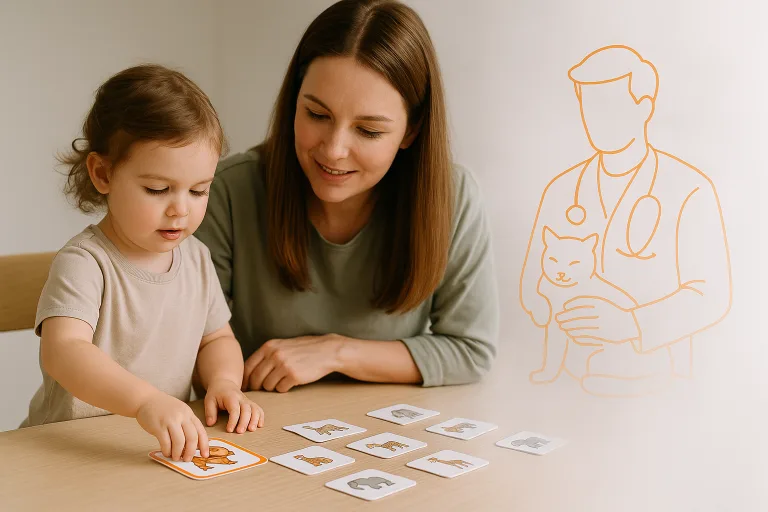
— Simple naming games: point and name body parts, everyday objects.
— Movement: baby-safe obstacle course (pillows, low boxes) for balance.
— Read short picture books and nursery rhymes (Chukovsky, Marshak, Agniya Barto).
— Play peek‑a‑boo, imitation games (copy sounds, claps, faces).
Materials: soft blocks, board books, stacking cups, safe kitchen utensils.
Ages 3–4 (preschoolers)
Goals: language explosion, pretend play, fine motor skills, basic self-help.
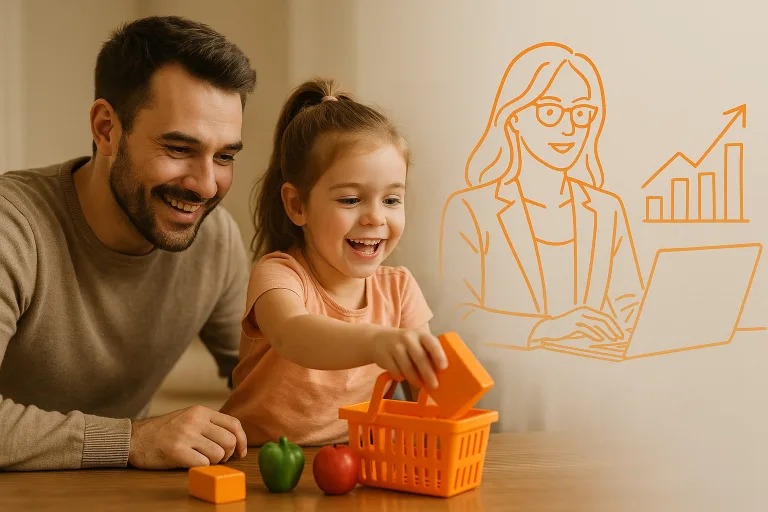
— Pretend play station: kitchen, doctor, shop—rotate props weekly.
— Fine motor: playdough, threading large beads, cutting with safety scissors.
— Phonemic awareness: rhyme games, clap syllables in words.
— Simple counting and sorting games using small toys or nature finds.
— Storytelling: ask child to tell a story about a picture; draw their ideas.
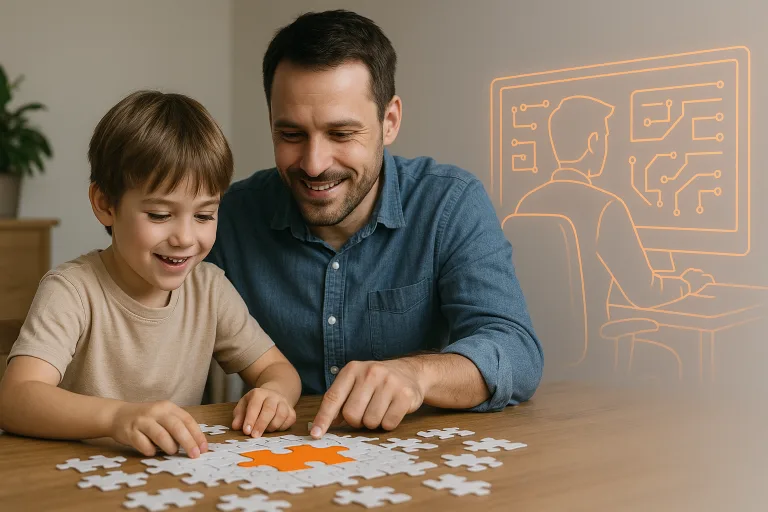
Materials: crayons, playdough, puzzles (6–12 pieces), magnetic letters.
Ages 5–7 (early school)
Goals: literacy, numeracy foundations, cooperative play, emotional regulation.
— Letter/word games: homemade lotto, word building with magnetic letters.
— Math games: board games with dice, counting-change shop roleplay.
— Science: simple experiments (sink/float, ice melting, plant seeds).
— Cooperative games for turn-taking and rule-following.
— Creative writing: short picture-based stories, comic strips.
Materials: simple board games, science kits, notebooks, glue sticks.
Ages 8–10 (elementary)
Goals: deeper reasoning, projects, teamwork, empathy, longer-term hobbies.
— Projects: small research projects (animals, local history, Omsk nature).
— Strategy games: chess, memory-enhancing games